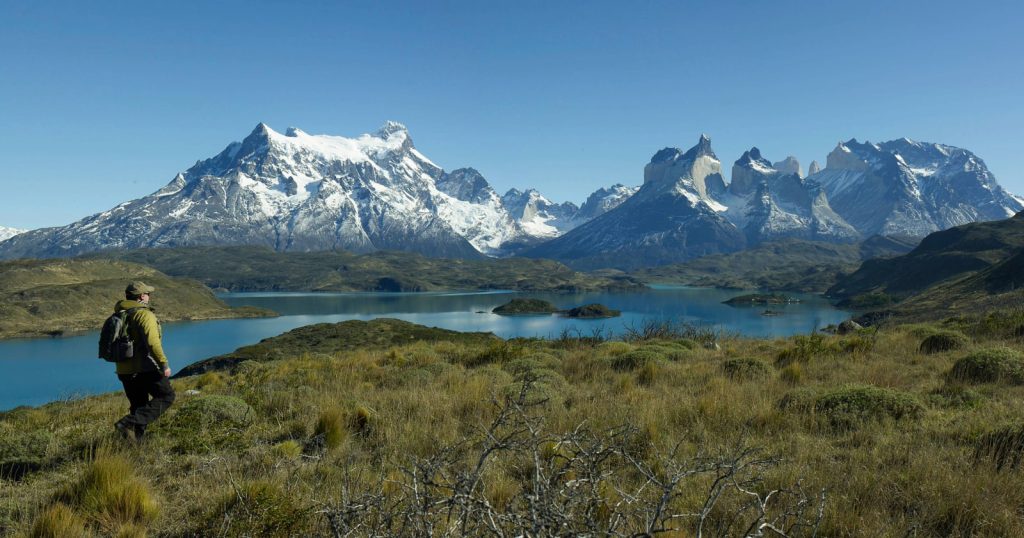
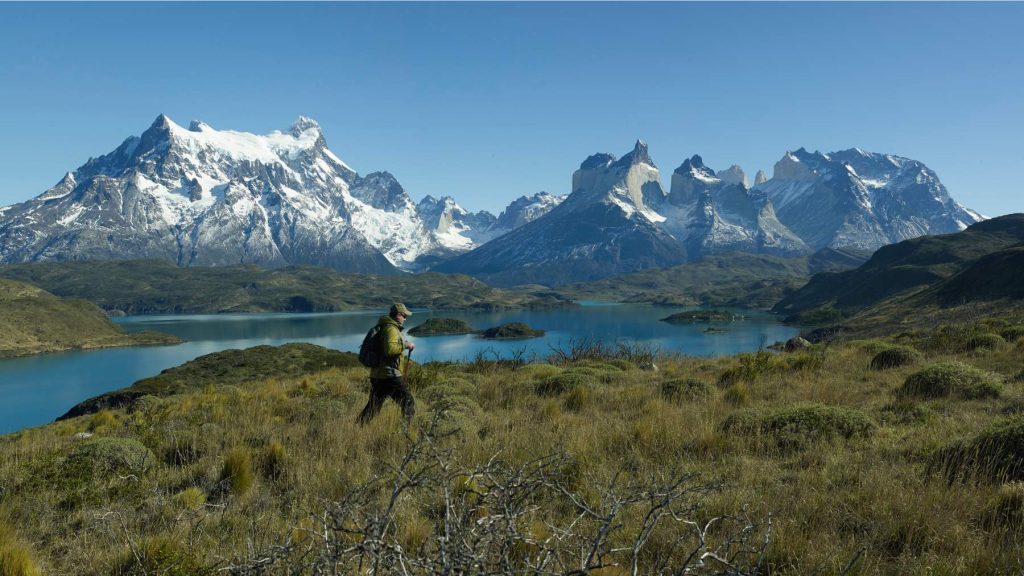
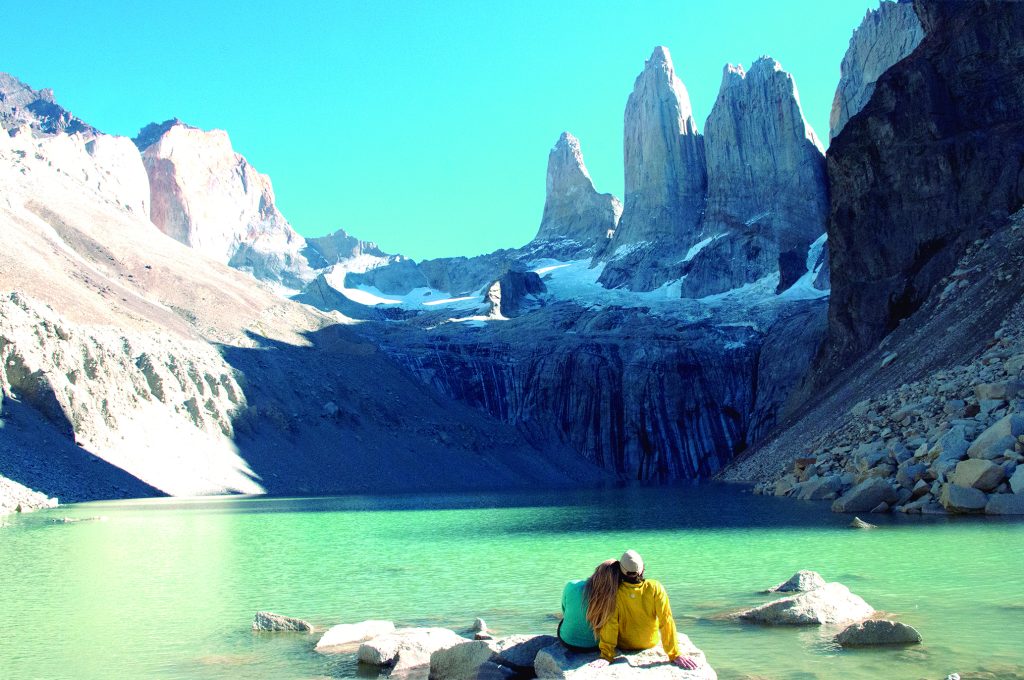
If you would like to visit the Torres del Paine National Park, but you are not sure where to stay or how to get there, we will now clear up all your doubts and answer all your questions for your trip to this magnificent place in Chilean Patagonia.
Come on then! Huge massifs, unique flora and fauna, and amazing lakes and glaciers await you in the eighth wonder of the world.
How to Get to Torres del Paine?
By Plane (The fastest route)
- Direct flight to Puerto Natales: From Santiago, you can catch a flight to Teniente Julio Gallardo Airfield. The direct trip takes approximately 3.5 hours (operated by major commercial airlines, especially during high season).
- Flight to Punta Arenas: A very common alternative is to land at Presidente Carlos Ibáñez del Campo Airport (Punta Arenas) and then take a 3-hour road trip (by bus or rental car) to Puerto Natales.
Tip: Remember to buy your bus tickets online in advance and keep them downloaded on your phone, as internet connection inside the park is virtually non-existent. Find more information on how to get to Torres del Paine in the following article.
Where do I stay in Torres del Paine?
In Torres del Paine, you will find different accommodation options, from world-class hotels to campsites where you can sleep under the stars. Since demand is extremely high, all of them require reservations at least 3 to 6 months in advance. Remember to prioritize accommodation services registered with Sernatur.
Here are the main alternatives organized by the style of experience they offer:
1. Hotels, Lodges, and Domes
Ideal if you are looking for maximum comfort, gourmet gastronomy, and all-inclusive guided excursions:
- Explora Lodge Torres del Paine: Located in the heart of the park, right in front of Salto Chico.
- Tierra Patagonia & Patagonia Camp: Luxury glamping and avant-garde architecture on the shores of Lake Sarmiento and Lake Toro.
- Ecocamp Patagonia: Pioneers in sustainable and eco-friendly domes in the Las Torres sector.
- Hotel Río Serrano & Hotel Lago Grey: Traditional hotels with spectacular views of the central massif and the Grey Glacier, respectively.
2. Refugios and Campsites (For the W and O Circuits)
If your plan is to hike the famous multi-day trekking circuits, the operation of the trails and their campsites is split between two main companies:
- Vértice Patagonia: Manages the refugios (mountain lodges) and campsites in the western and northern sectors (Grey, Paine Grande, Dickson, and Los Perros).
- Reserva Las Torres Patagonia: In addition to its boutique hotel, it operates the refugios and campsites in the eastern and central sectors (Central, Chileno, Cuernos, Serón, and Francés).
3. Patagonian Estancias (Ranches)
An excellent alternative on the outskirts of the park are the estancias. Staying in them will allow you to connect with the history of the Magallanes Region, get an up-close look at the traditions of the Chilean gaucho, go horseback riding, and enjoy an authentic cordero al palo (traditional spit-roasted lamb).
What are the trails in Torres del Paine?
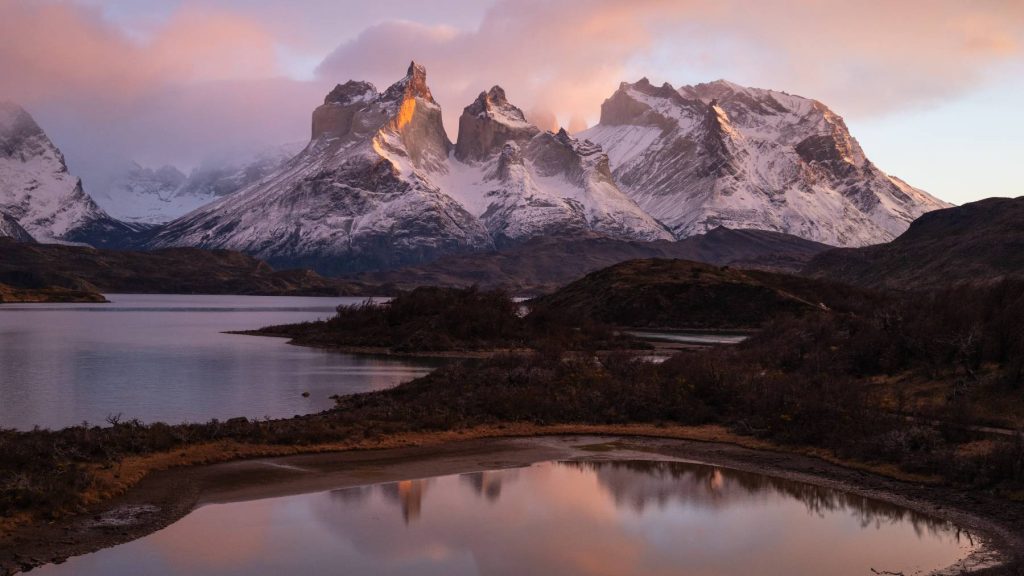
The park features trails adapted to different physical conditions, timeframes, and experience levels.
1. Multi-Day Circuits
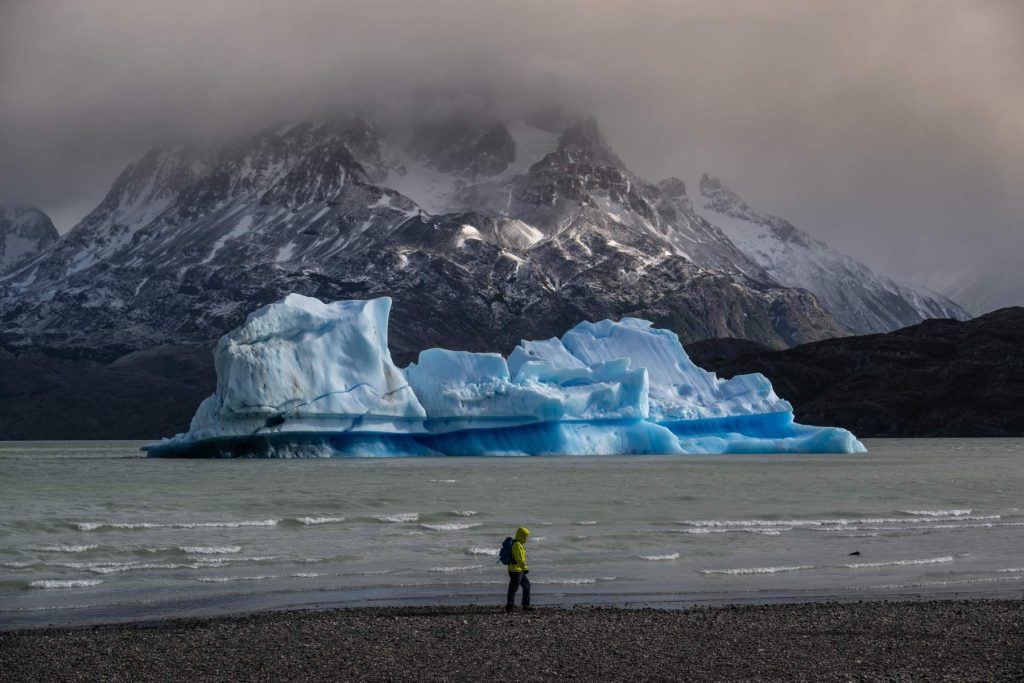
- “W” Circuit (The most famous): This is the classic and most popular route in the park. It lasts 4 to 6 days, hiking an average of 8 hours per day. It is suitable for most visitors and allows you to see the three main highlights: the Base of the Towers (Base de las Torres), the French Valley (Valle del Francés), and the Grey Glacier (Glaciar Grey).
- “O” Circuit (The Full Massif): Designed for those seeking total disconnection and a greater challenge. It consists of fully looping the central massif on a route of over 100 kilometers that takes between 6 to 8 days. It includes rocky sections and demanding descents, so it requires prior trekking experience and an excellent physical condition.
2. Day Circuits (Day Hikes)
- Base Torres Trail: The ultimate full-day hike. A demanding trek of about 8 hours in total (round trip) through the Ascencio Valley (Valle del Ascencio) that will take you straight to the iconic postcard view of the three granite peaks.
- “Express” Viewpoints: Shorter routes but with spectacular panoramic views. Highlights include the trails to Condor Viewpoint (Mirador Cóndor), Cuernos Viewpoint (Mirador Cuernos), and Ferrier Viewpoint (Mirador Ferrier)—the latter has a steep incline but rewards you with an incredible view of the lakes.
- Laguna Cebolla (Free Option): A low-difficulty route located in the Laguna Azul sector, shortly before the park’s entrance gate. It is an ideal hike for birdwatching and enjoying Patagonian landscapes, with the great advantage that access is free of charge.
Where do I book in Torres del Paine?
The reservation process is divided into two mandatory and completely independent steps: entrance tickets and mountain accommodations. Failing to secure both can leave you out of the park.
1. Park Entrance Fees (Admission Passes)
- Official portal: The only way to purchase your tickets is through the official web platform pasesparques.cl. You must buy your ticket at least 24 hours in advance. Remember that physical tickets are not sold at the park’s entrance gates.
- Entry format: After purchasing, you will receive an email with a QR code. It is essential to have it downloaded on your phone or printed on paper, as there is no internet connection or mobile data at the park entrances to look it up in your email.
2. Accommodation Reservations
If your plan is to hike the “W” or “O” Circuit, having confirmed accommodation reservations for each campsite or refugio on your itinerary is strictly and absolutely mandatory. Park rangers control these access points and will not allow you to enter without them.
These reservations for multi-day circuits must be made months in advance directly on the websites of the two companies that manage the trails:
This measure does not apply to day hikes, full-day visits, or campsites located along the road, such as in the Serrano and Pehoé sectors.
When can I visit Torres del Paine?
- You can visit Torres del Paine all year round! However, keep in mind that the experience changes completely depending on when you go: December to February (Peak Season): This is when the largest number of tourists gather, as the days are longer, the weather is more pleasant, and most trails are fully open.
- March to November (Low/Off-Season): Prices are lower, and you will be able to enjoy spectacular snowy landscapes. However, temperatures are much lower, and there will be more restrictions. There might even be days when you won’t be able to leave your accommodation due to heavy snowfall.
How much does it cost to visit Torres del Paine?
Park tickets are divided into two categories based on the duration of your stay and must be purchased exclusively in advance at pasesparques.cl (there is no physical sale at the entrance gates):
- Multi-day Ticket (More than 1 day): A single continuous pass valid for a maximum of 10 days (required for the W or O circuits)
- Daily Ticket: Valid for a single day of visit.
Chileans:
- Adult daily pass (18 to 59 years old): $9,400
- Adult multi-day pass (18 to 59 years old): $14,200
- Youth daily pass (13 to 17 years old): $5,200
- Youth multi-day pass (13 to 17 years old): $8,200
- Daily pass for children under 12, seniors (60+), and people with disabilities: Free
- Multi-day pass for children under 12, seniors (60+), and people with disabilities: Free
Foreigners:
- Adult daily pass (18 to 59 years old): $32,400
- Adult multi-day pass (18 to 59 years old): $48,500
- Youth daily pass (13 to 17 years old): $16,600
- Youth multi-day pass (13 to 17 years old): $48,500
- Senior (60+) and people with disabilities daily pass: $32,400
- Senior (60+) and people with disabilities multi-day pass: $48,500
- Daily pass for children under 12 years old: Free
- Multi-day pass for children under 12 years old: Free
Can I take my kids to Torres del Paine?
- Yes, you can bring your children! It will be an enriching activity for them that will leave them with valuable experiences for their personal development. However, it is crucial that you plan your trip accordingly, considering things such as food, beverages, accommodation, and safety.
- Additionally, we do not recommend that you take them on complex trails, since they can take a long time to complete, and the weather conditions can change abruptly. Take them to lookouts and other options that will be easier on their bodies.
What should I take to Torres del Paine?
1. Clothing and Footwear
- Layered clothing: Synthetic fiber or merino wool thermal shirts (base layer), fleeces or down jackets (mid-layer), and a windproof and waterproof jacket (outer layer). Avoid cotton, as it retains moisture.
- Footwear: Waterproof, high-cut trekking boots to protect your ankles. It is essential that you break them in before your trip to avoid blisters on the trail.
- Weather accessories: Beanie for the cold, gloves, a buff-style neck gaiter, and a brimmed hat or cap, along with UV-protection sunglasses for sunny moments.
2. Trail Gear and Logistics
- Backpack: A 40 to 60-liter technical backpack with lumbar support if you are doing the long circuits, or a small daypack (20 liters) if you are only doing day hikes.
- Trekking poles: Highly recommended to reduce the impact on your knees during steep descents and to maintain stability against strong wind gusts.
- Hydration: Reusable water bottle. The water from the park’s streams and springs is pure and completely safe to drink, so you don’t need to carry large volumes.
- Safety and orientation: First-aid kit (with plenty of blister pads), headlamp with charged batteries, compass, high-factor sunscreen, your ID documents, and your printed or downloaded reservations.
3. Camping and Food (W or O Circuits)
Important: Campfires or lighting fires of any kind are absolutely prohibited throughout the entire park. Cooking is only allowed in specifically designated areas within the campsites using gas camp stoves. The use of wood, plant-based, or organic fuels is strictly penalized.
- Cooking items: If you plan to cook at the authorized campsites, you must bring your own gas camp stove, compact gas canisters, a lighter, and a lightweight pot set.
- Waste management: It is mandatory to carry bags for your trash. Any waste you generate (including organic remains) must be packed out with you and removed from the National Park.
Should I bring cash to Torres del Paine?
- Yes, it is fundamental to have cash on you. There are no ATM machines int the Torres del Paine National Park, so we recommend that you withdraw money in Puerto Natales. You can also find exchange houses there to exchange foreign currency for Chilean currency.
Is there anything that is forbidden in Torres del Paine?
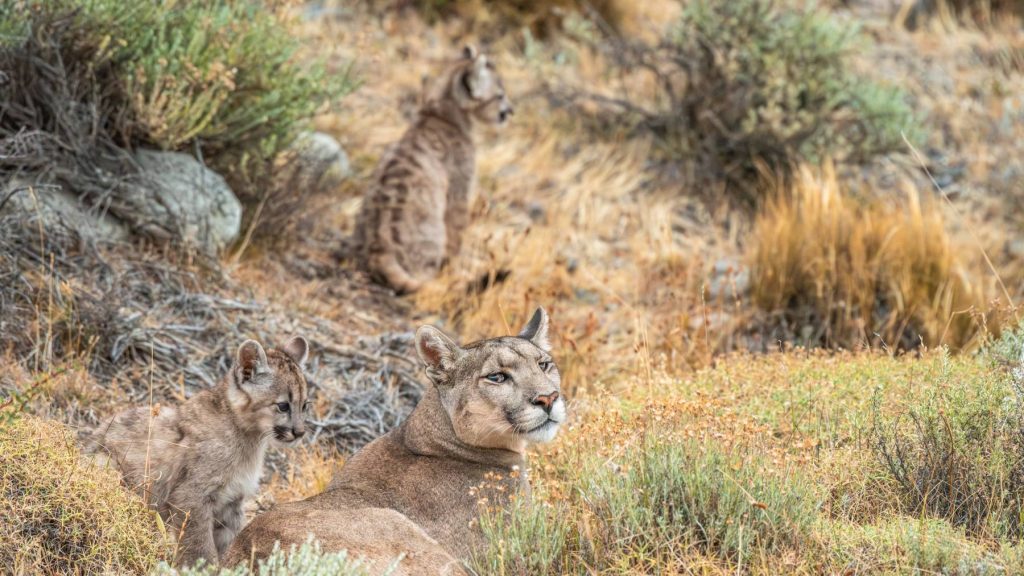
To protect the ecosystem and ensure your safety, the CONAF administration maintains strict and permanent regulations, along with a special regime for winter conditions.
1. Special Safety Measure (From April 27, 2026, until further notice)
Due to variable extreme weather conditions, the winter season has been brought forward, making the following requirements mandatory to hike the “W” Circuit and the Base Torres Trail:
- Mandatory specialized guide: Self-guided access to these routes is not permitted. You must complete the hike accompanied by a certified guide authorized by CONAF.
- Required technical equipment: It is mandatory to carry and use microspikes (or crampons), trekking poles, and a headlamp, in addition to technical clothing for extreme cold and moisture. Otherwise, park rangers will deny your entry.
2. Prohibited Actions Throughout the Park
- Fire and smoking: Lighting campfires and smoking are absolutely prohibited anywhere in the park (including the trails). The use of gas camp stoves is strictly and exclusively limited to designated areas within authorized campsites.
- Altering the environment: Do not leave trash behind (you must pack out your waste with you when leaving the park), do not disturb or feed the local wildlife, and hunting, fishing, or gathering plants is prohibited.
- Drone use: Flying drones is prohibited throughout the entire National Park without prior written authorization from CONAF.
- Detours and illegal camping: You must not stray from the marked trails, spend the night, or pitch tents in areas that are not formally authorized.
3. Mandatory Registration Protocols
For your safety and to monitor mountain traffic flow, you must comply with the following steps during your journey:
- Initial check-in: It is mandatory to register upon arrival at each of the park ranger stations at the different access points.
- Departure notice: If you are hiking the long circuit (“O” Massif), it is mandatory to notify park rangers of your departure when leaving the Paso and Los Perros campsites.